
Fire alarm & life safety contractor · Castroville, California
Commercial fire alarm systems for the Central Coast, serviced, tested and installed.
Service, repair and panel maintenance for the system you already have, inspection and testing on schedule, and installation for new construction. For building owners, facility and property managers and general contractors. We use non-proprietary equipment, which gives you more flexibility in who can service the system later.
Free estimates. Call between 8am and 6pm. After-hours service available.
- 20 years
- Fire alarm and life-safety experience, held by the license holder
- C-10
- California C-10 Electrical Contractor, CSLB #1088212
- NICET II
- Inspection and Testing of Fire Alarm Systems, held by the license holder
- Service area
- Monterey, Santa Cruz and San Benito counties, plus southern Santa Clara County. Work is done at your site.
How a supervised system works
The panel supervises every circuit continuously, and reports the moment something is wrong. Keeping it that way is the job: install it right, test it on schedule, write it down.
What we do
Fire alarm work across the life of a system, starting with the one you already have.
Service and repair, inspection and testing, monitoring, installation. A single, continuous set of records, whether we inherit the system or put it in.
Service and repair
Service, repair and panel maintenance
Trouble signals, failed devices, aging standby batteries, panel repairs and replacements. We service and repair systems installed by other contractors. What a particular panel allows can depend on manufacturer software, training and system access, so call with the panel make and what the display says, and we will tell you plainly what we can do with it.
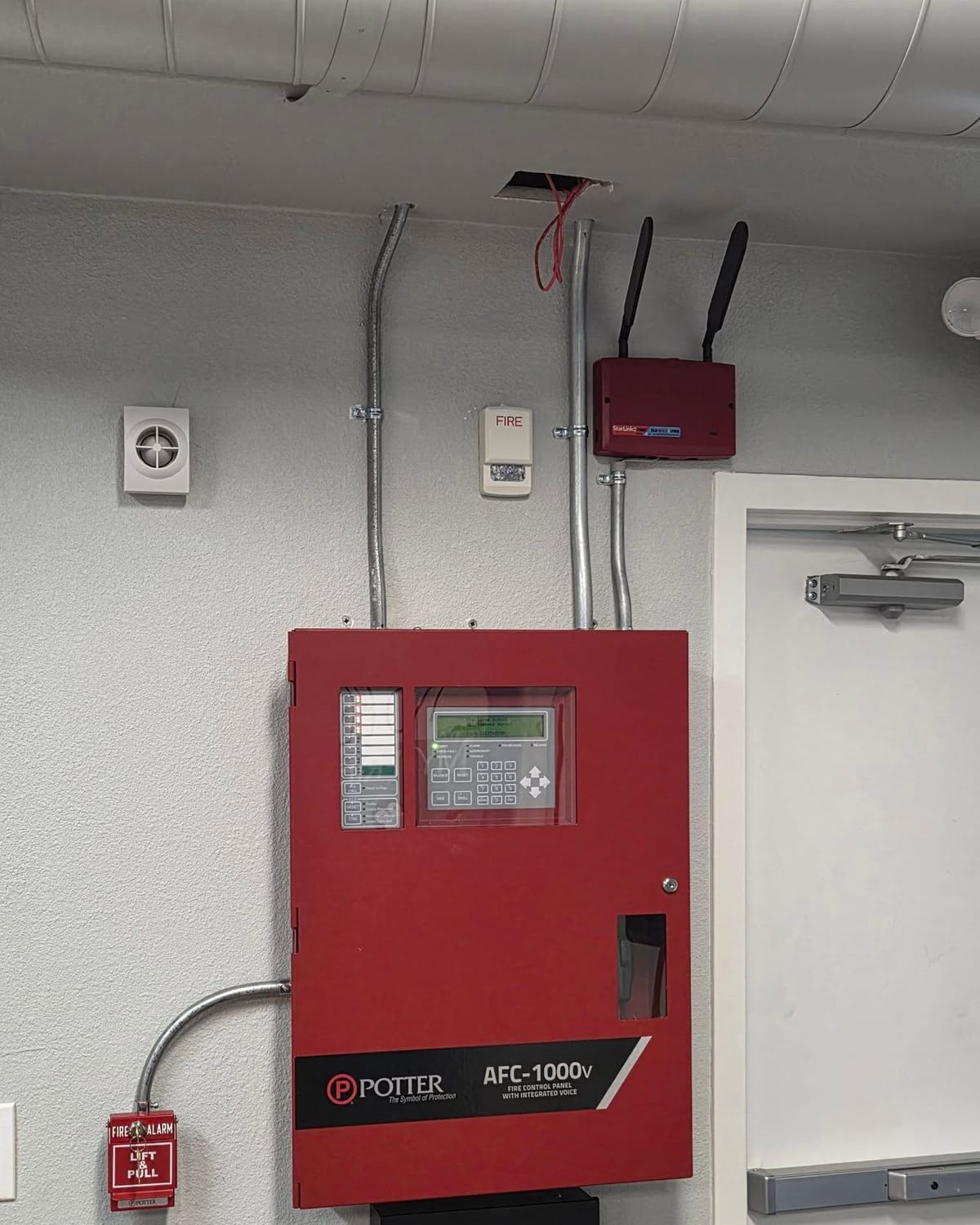
How service calls work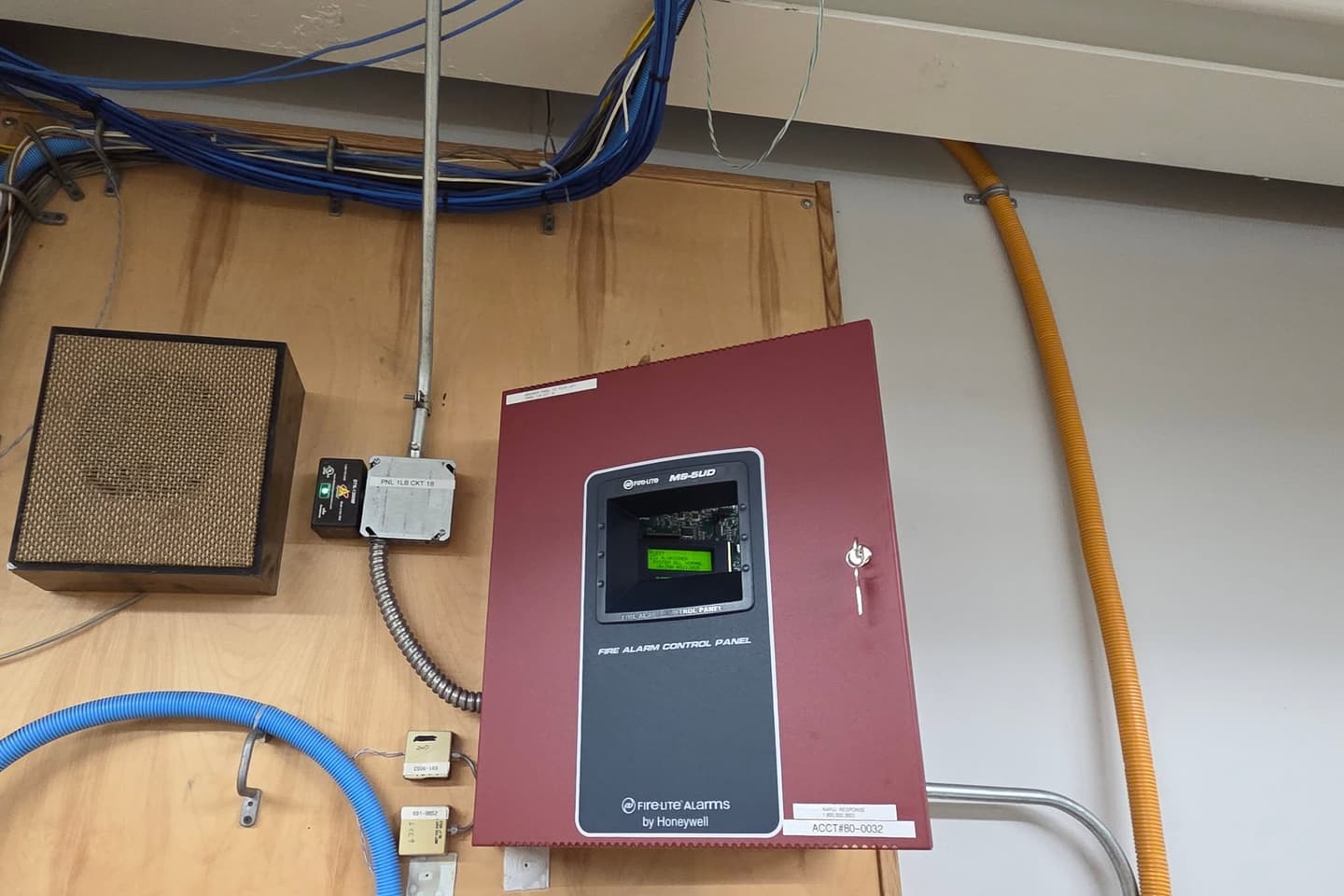
Existing panel, service call Inspection and testing
Fire alarm inspection and testing
Periodic inspection and testing of existing systems following NFPA 72 as adopted in California, performed by the license holder, who holds NICET Level II, Inspection and Testing of Fire Alarm Systems. You receive a written report of what was tested and any deficiency found, for your building's file and for anyone who asks to see it.
What inspection and testing covers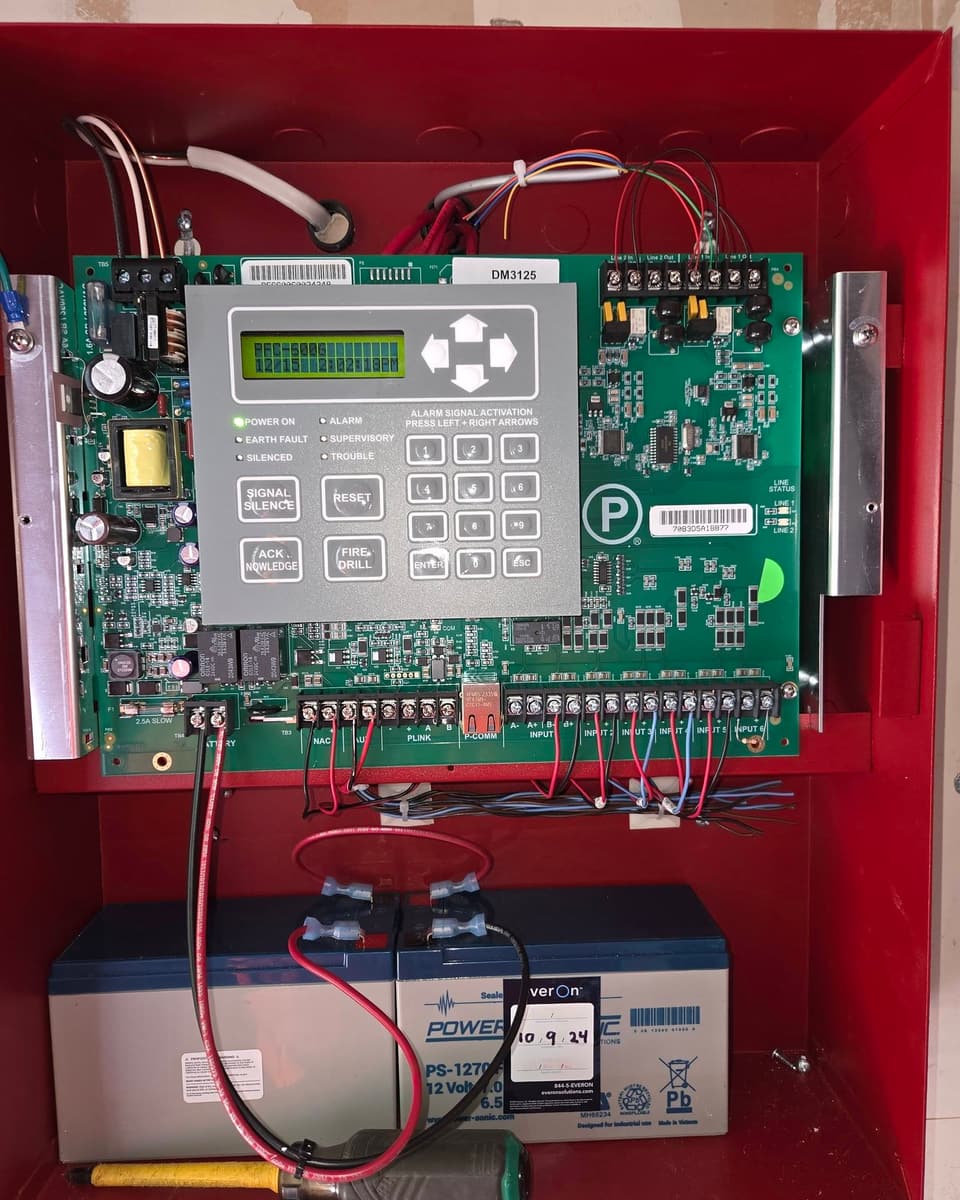
Panel interior during testing Monitoring
Fire alarm monitoring
Monitoring runs through Moro Cojo, so you deal with one company for the system and its monitoring. We handle the programming, and the system's signals are received by a third-party central monitoring station, which contacts Moro Cojo and your designated contacts.
How monitoring worksSignal path
Programming
Moro Cojo programs the fire alarm panel and the communicator that sends its signals.
Third-party central station
A third-party central monitoring station receives the signals.
Notification
The central station contacts Moro Cojo and your designated contacts.
Installation and new construction
Commercial fire alarm installation and new construction
New systems and replacements for commercial, industrial and new-construction projects, built on non-proprietary equipment. Plan submittals, permits and acceptance testing coordinated with your local fire authority.
How a project runs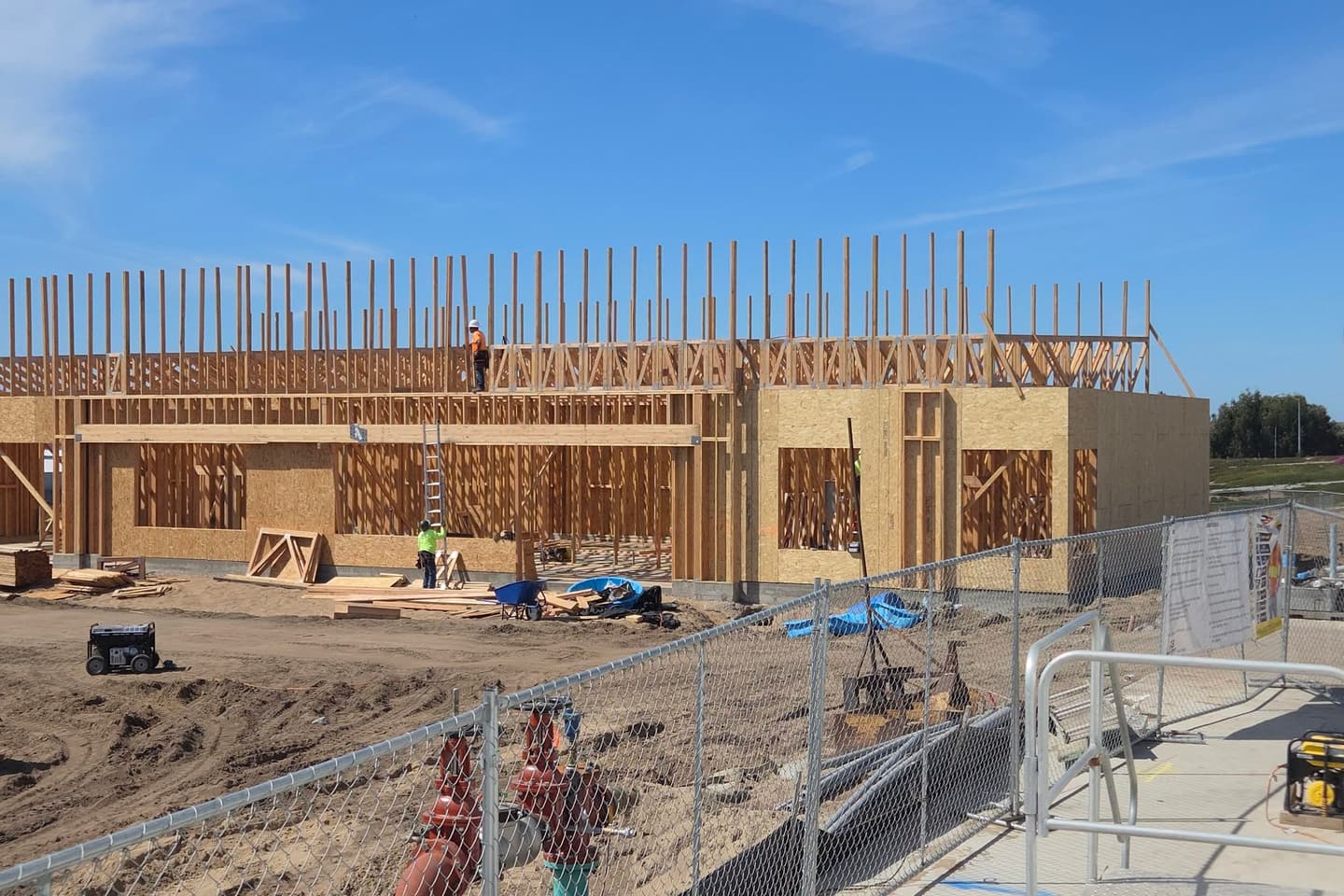
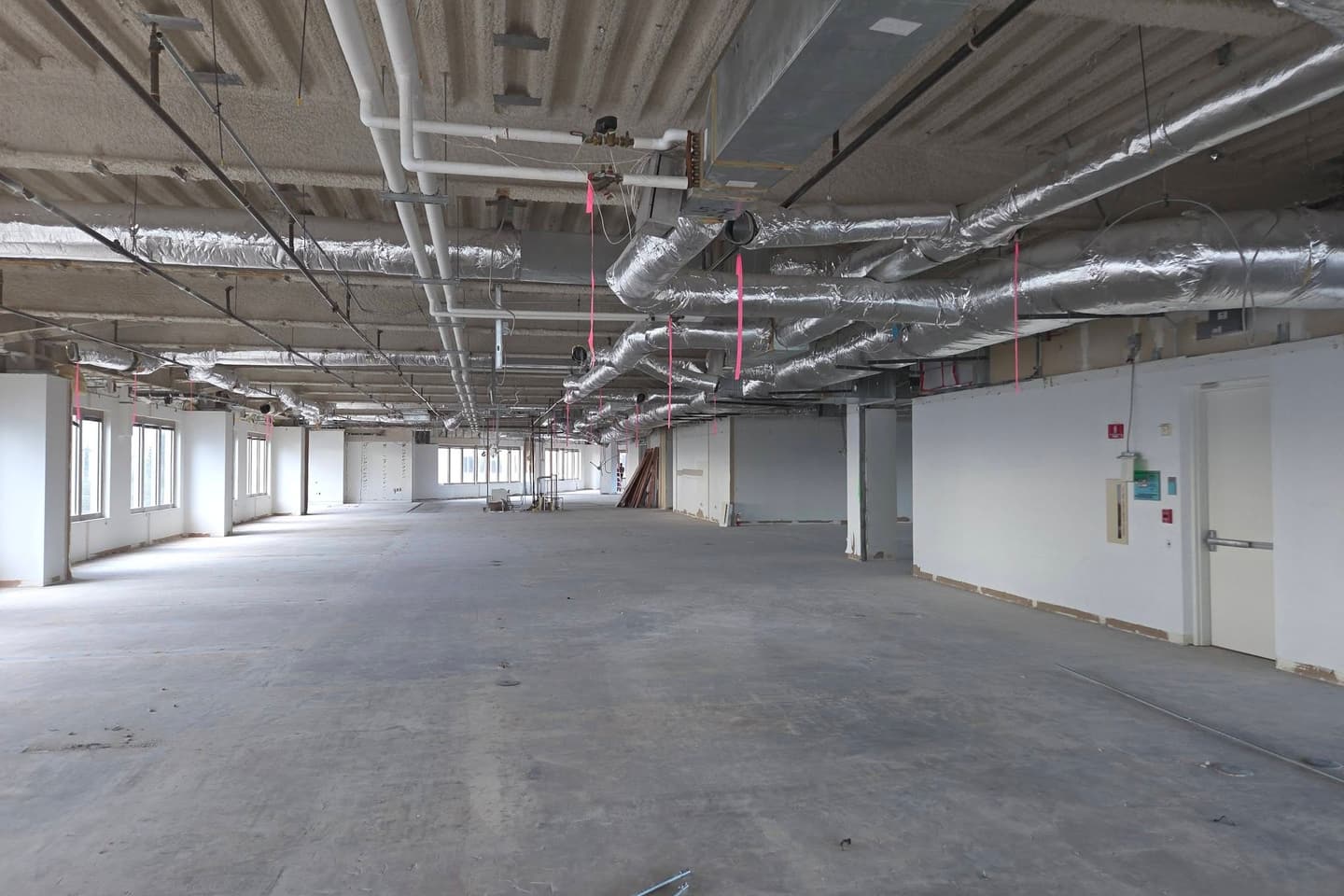
New construction at framing stage
Also under the same C-10 license: residential and tenant-improvement electrical work. We do not install or service sprinklers, suppression systems or extinguishers. For an active fire or an unsafe condition, call 911. For anything else, call (831) 455-5858 if you are not sure who you need.
Non-proprietary systems
Your panel should not decide who you are allowed to hire.
Fire alarm control panels are sold in different ways. Some manufacturers sell through independent distributors and make programming software and training available to qualified technicians. Systems built on that equipment are usually called non-proprietary. Others are sold, programmed and serviced mainly by the manufacturer or its dealer network, and with those the owner's options for future service can be narrower.
The difference shows up after installation. A fire alarm system stays in a building for many years and needs inspection, testing, repairs and the occasional change over that time. On a non-proprietary system, more than one manufacturer-trained, qualified contractor can program, service and maintain the panel, so the owner is not tied to the original installer. When Moro Cojo installs or replaces a system, that is the equipment we use.
- Proprietary
- Sold, programmed and serviced mainly by the manufacturer or its authorized dealer network.
- Non-proprietary
- Sold through distribution. Programming software and training available to qualified technicians. More than one qualified, manufacturer-trained contractor can bid on service.
- When you are ready to bid out inspection, testing or repairs, more than one qualified contractor can respond.
- Panels and compatible devices are sold through electrical and security distributors, so purchasing is not tied to a single dealer.
- A system stays in service for many years, so the equipment chosen at bid time shapes your service options long after the project closes.
Non-proprietary does not mean anyone can work on the system. NFPA 72 sets qualification requirements for the people who inspect, test, service and program fire alarm systems, California has its own contractor licensing and electrician certification requirements, and each manufacturer controls its own software and training. Equipment still has to be listed, including California State Fire Marshal listing, and installed to code regardless of brand.
What non-proprietary meansInspection, testing and records
Records that are ready when someone asks for them.
The California Fire Code requires fire protection systems to be maintained in an operative condition, and inspection, testing and maintenance follow NFPA 72 as adopted by the California Fire Code. The code also requires that records of that work be kept. Under NFPA 72 the building owner, or the owner's representative, is responsible for having it done.
We test on schedule and report the results and any deficiency in writing, so you have a current report in hand before anyone asks for one. If your building is due, or you are not sure when it was last tested, ask for an estimate.
Who the record is for
- Your local fire authority
- In California the fire code is enforced locally, usually by a city fire department or fire protection district, and in some areas by the State Fire Marshal. The agency that inspects your building can ask to see your inspection, test and maintenance records.
- Your insurer
- Some commercial property policies include a protective safeguards condition that requires the alarm systems listed in the policy to be kept in working order, with any impairment reported. Check your policy or ask your broker.
- Anyone reviewing the building
- Commercial real estate due diligence checklists include confirming that life-safety systems such as fire alarms have current inspection documentation. A change of ownership or management usually starts with that question.
Requirements vary by jurisdiction, occupancy and system. Tell us where the building is and we can go through what your fire authority asks for.
Real work, real buildings
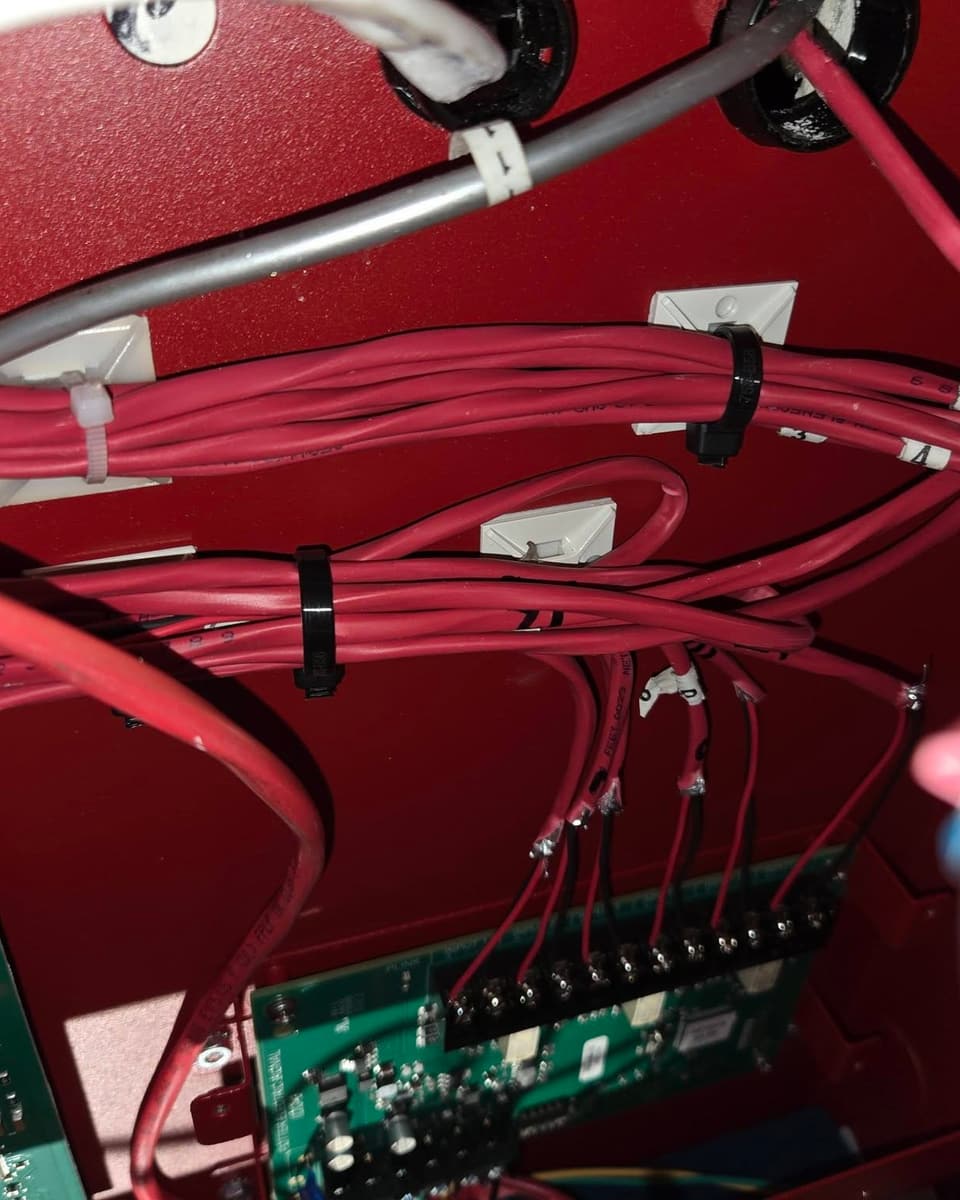
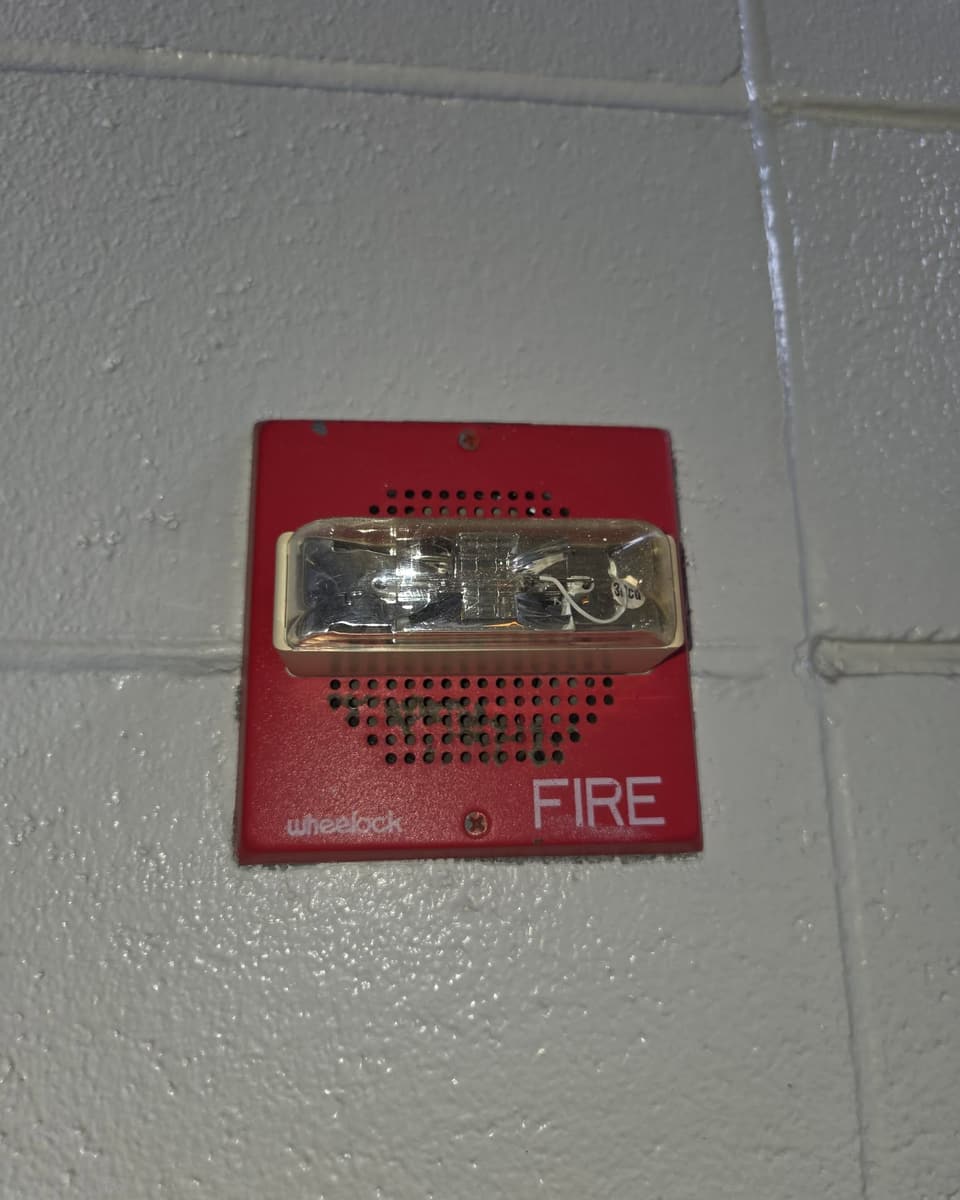
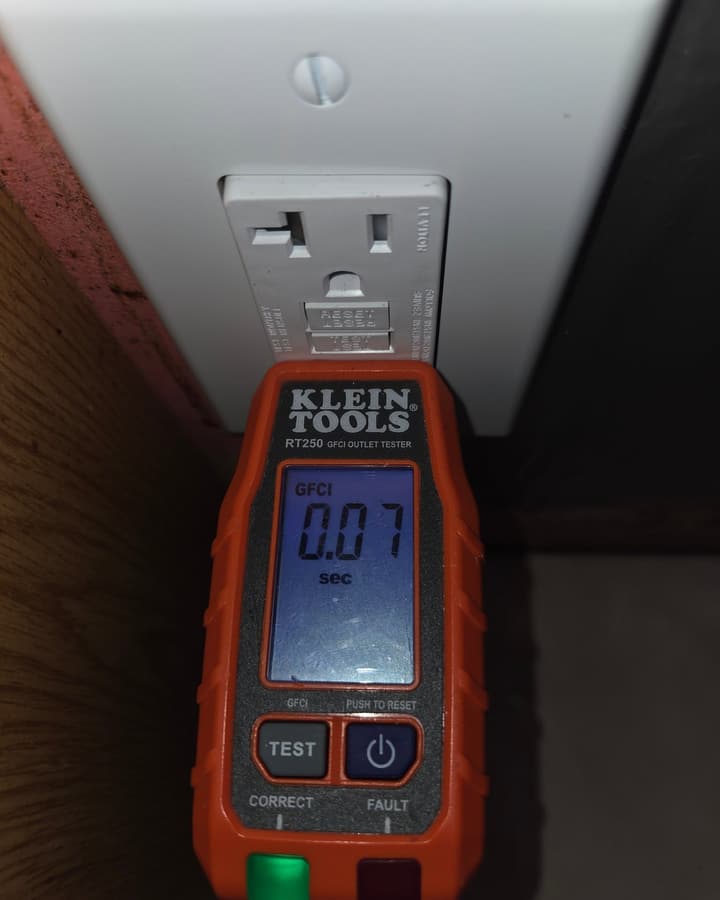
Clean terminations, labeled circuits, devices where the drawings say.
Electrical work
Panels, circuits and power for homes and tenant improvements.
Residential electrical work and tenant-improvement power, under the same C-10 license as the fire alarm work. Free estimates. Call (831) 455-5858.
Service area
Fire alarm work across California's Central Coast.
Moro Cojo Alarms & Electric is a service-area business based in Castroville. The work happens at your building, throughout Monterey, Santa Cruz and San Benito counties, plus southern Santa Clara County.
Property types
- Commercial
- Offices, retail, restaurants, warehouses and tenant improvements.
- Industrial
- Processing, cold storage and manufacturing facilities.
- New construction
- Fire alarm scope as a subcontractor to the general contractor or the electrical contractor, or direct to the owner.
- Residential
- Electrical panels, circuits and home electrical work, under the same license.
Counties served
- Monterey County
- Serving businesses throughout Monterey County, including Salinas, Monterey, Seaside, Marina and Castroville.
- Santa Cruz County
- Serving businesses throughout Santa Cruz County, including Santa Cruz, Watsonville, Capitola and Scotts Valley.
- San Benito County
- Serving businesses throughout San Benito County, including Hollister and San Juan Bautista.
- Southern Santa Clara County
- Serving businesses throughout southern Santa Clara County, including Gilroy, Morgan Hill and San Martin.
Requirements and plan-review steps differ by city and fire district. We work with the fire authority that has jurisdiction over your building. See all service areas.
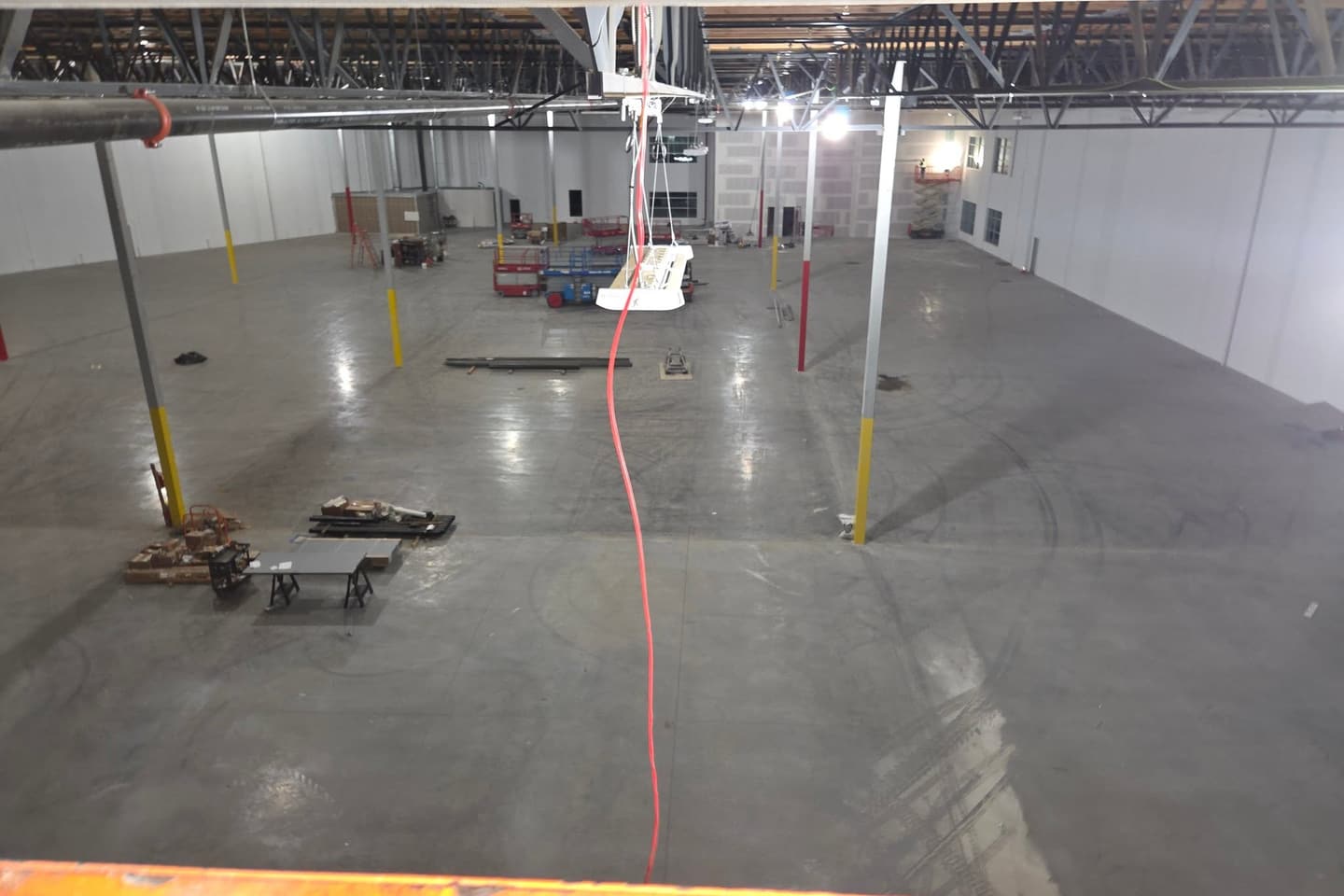
About Moro Cojo
Locally owned, and built on the license holder's 20 years of fire alarm and life-safety experience.
Moro Cojo Alarms & Electric was founded in Castroville in 2022 on the license holder's 20 years of experience in fire alarm and life-safety systems in Monterey County and the surrounding counties. The company runs the way that experience taught: a written estimate before work starts, a written report of what was tested and any deficiency found, and direct, accountable communication throughout the job, from the first site visit to the final report.
- License
- California C-10 Electrical Contractor, CSLB #1088212. Current and active.
- NICET
- Level II, Inspection and Testing of Fire Alarm Systems. Held personally by Allen Lorscheider.
- Safety
- OSHA Outreach Training.
- Panels
- Manufacturer training on multiple fire alarm panel platforms. Ask which.
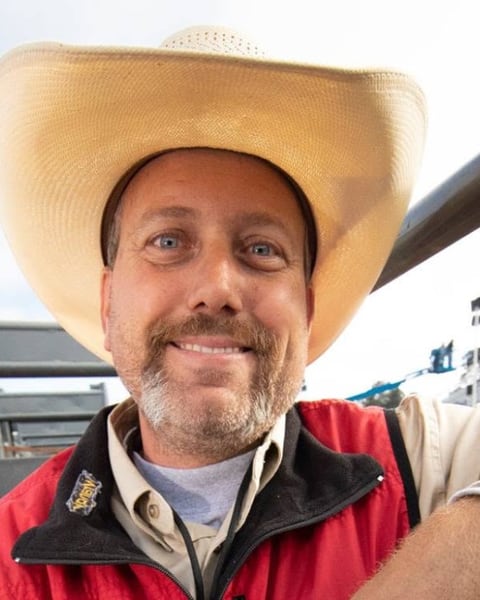
Allen LorscheiderOwner and license holder.
Questions
Straight answers to what people ask first.
Requirements depend on your jurisdiction, occupancy and system. These answers are general; tell us where the building is and we can go through what your fire authority asks for.
How often does a commercial fire alarm system need to be inspected and tested?
The schedule comes from NFPA 72, the National Fire Alarm and Signaling Code, which the California Fire Code adopts for fire alarm systems. It sets inspection and test intervals for each part of the system. Visual inspections range from weekly to annual depending on the component, and many devices are on an annual functional test cycle. The schedule for a given building depends on the equipment installed, how it is monitored, and the code edition your fire authority enforces. If you are unsure what your system needs, we can review it and propose a schedule.
Do you offer fire alarm monitoring?
Yes. Monitoring runs through Moro Cojo: we handle the programming on the fire alarm system, and its signals are received by a third-party central monitoring station, which contacts Moro Cojo and your designated contacts. Moro Cojo does not operate the monitoring center itself, and monitoring is separate from our field service, so it does not mean a technician is on call around the clock. Tell us about your building and we will explain what monitoring would involve.
Will you service a system that another company installed?
Yes. We service and repair systems other companies installed. Tell us the panel make and model and what the display is showing. What can be done with a particular panel depends on the equipment and on access to the manufacturer software and training, and we will tell you plainly if it is something we cannot take on.
Are fire alarm systems required by insurance policies?
It depends on the building and the policy. Some commercial property policies include a protective safeguards condition requiring a fire alarm system identified in the policy to be maintained in working order, and some insurers may take fire alarm systems and central station monitoring into account in their requirements or pricing. Practices vary by carrier. Whether a building must have a fire alarm system at all is a separate fire code question that depends on how the building is used, its occupant load and its size. Confirm the details with your carrier or broker and your local fire authority. Moro Cojo can help with the fire alarm system, inspection and testing records, and monitoring through a third-party central station.
Who is responsible for fire alarm inspection, testing and maintenance?
Under NFPA 72, the property or building owner, or the owner's designated representative, is responsible for having the system inspected, tested and maintained. Owners usually hire a qualified fire alarm contractor to do the work and produce the reports, but the responsibility stays with the owner. Local fire authorities enforce the fire code and may ask to see the records.
What documentation should a building keep for its fire alarm system?
The California Fire Code requires that records of fire alarm inspections, tests and maintenance be kept, and the agency that inspects your building can ask to see them. A good file includes each inspection and test report with the date, what was tested and any deficiencies found, when those deficiencies were corrected, service and repair records, and the original installation documents such as the record of completion. How long to keep them depends on the code edition and your jurisdiction; keep them for the period your fire authority requires.
What does a free estimate involve?
For most projects we visit the site or review your drawings, then send a written estimate. There is no charge and no obligation. If something changes once work is under way, you hear about it before it is billed.
Do you offer after-hours service, emergency response or sprinklers?
After-hours service is available; ask about availability for your site when you call. We do not run a 24-hour dispatch or an emergency response service. We do not install or service sprinklers, suppression systems or extinguishers. For an active fire or an unsafe condition, call 911. For a trouble signal or a system question, call (831) 455-5858.
Free project estimates
Tell us about the building. We will tell you what it needs.
For most projects we visit the site or review your drawings, then send a written estimate. No charge, no obligation. Have a deficiency notice or a correction date? Include it.
Prefer to talk?
(831) 455-5858Call between 8am and 6pm. After-hours service available. Ask about availability for your site when you call.
Site visits and estimates across the Central Coast service area. Work is done at your building.